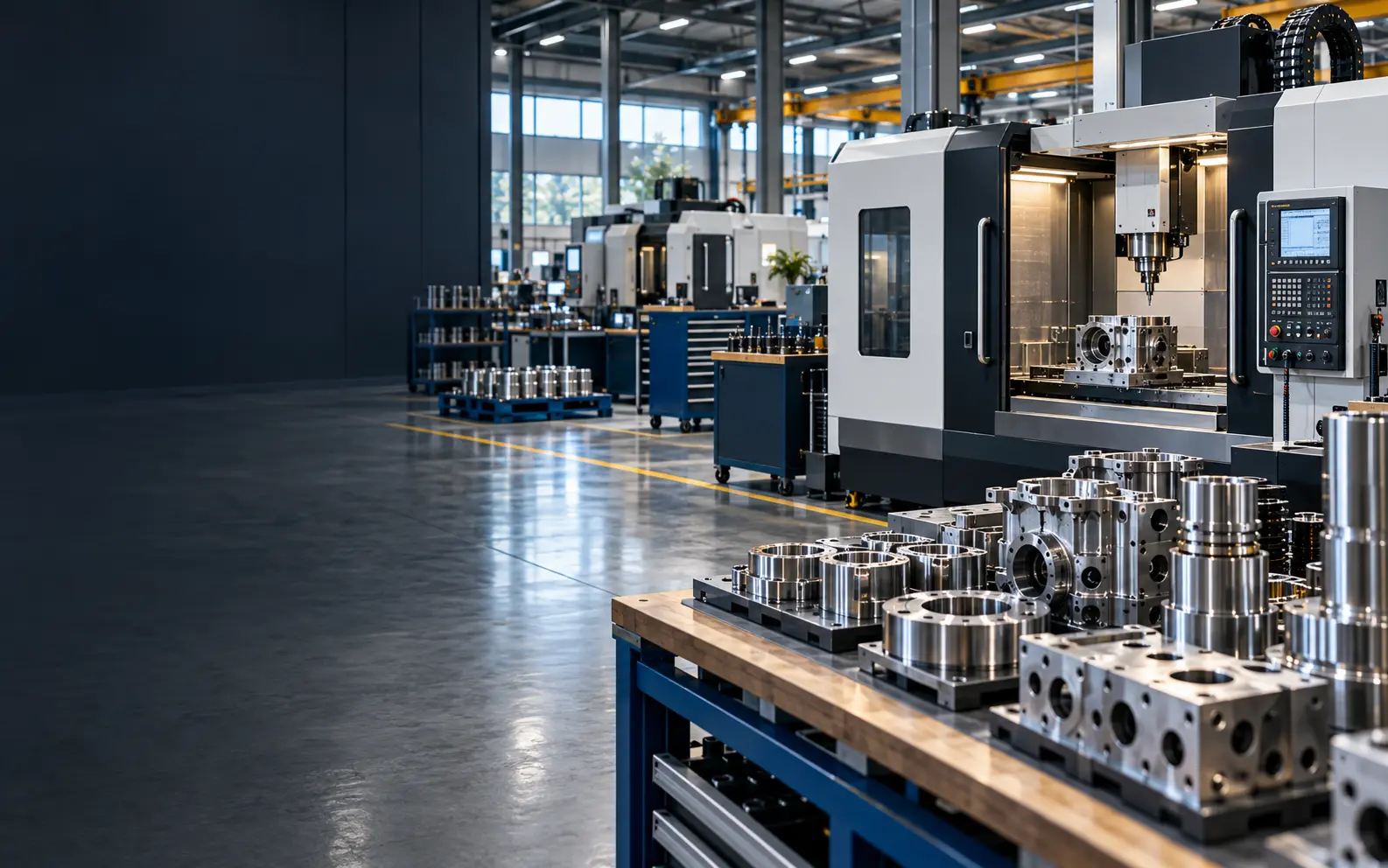

For manufacturers, a critical piece of equipment is rarely just a piece of equipment.
A CNC machine, compressor, production line, boiler, refrigeration system, electrical panel or other specialized equipment can sit at the center of an entire operation. When it goes down unexpectedly, the cost can extend far beyond the repair itself.
Production stops. Orders get delayed. Employees may be left waiting. Customers still expect delivery. And depending on the equipment involved, a manufacturer may have very few options for shifting production elsewhere.
That is why equipment risk deserves to be evaluated as a business-continuity issue—not simply a property insurance issue.
The Real Cost of Equipment Failure
When manufacturers evaluate their property coverage, attention naturally goes to buildings, inventory, machinery values and replacement costs. Those are important, but the financial impact of a breakdown can include much more.
- Emergency repairs
- Expedited replacement parts
- Lost production time
- Overtime needed to recover delayed orders
- Spoiled or damaged raw materials
- Lost revenue
- Contractual penalties or missed delivery commitments
- Temporary equipment rental
- Outsourced production
- Extra shipping or logistics expenses
In some cases, the physical damage is actually the smaller part of the loss. The larger issue is how long the business remains disrupted.
“The repair bill is only one number. The bigger question is what the operation loses while the machine is unavailable.”
Specialized Equipment Creates Specialized Problems
Manufacturing equipment is often highly customized, difficult to replace or dependent on parts with long lead times.
A machine that originally took months to source may not suddenly become easier to replace because it broke on Tuesday.
Manufacturers should understand not only the value of their machinery, but also what happens operationally if a critical machine becomes unavailable.
- Which pieces of equipment would have the greatest impact on production if they failed?
- How quickly could replacement parts be sourced?
- Is backup equipment available?
- Could production be temporarily moved to another facility or vendor?
- How long could the business tolerate an interruption?
- Would current insurance limits reflect the true financial impact of that downtime?
These conversations help identify gaps before a loss turns them into an expensive surprise.
Which machine would hurt the most if it stopped tomorrow?
Start with the equipment production depends on most, then review replacement lead times, backup capacity, income exposure and the resources needed to restore operations.
Business Interruption Coverage Matters Just as Much
Repairing damaged equipment is one thing. Replacing the income lost while production is interrupted is another.
Business income and extra expense coverage can be an important part of a manufacturer’s overall property program, but appropriate limits depend heavily on how the operation actually functions.
A manufacturer running multiple interchangeable machines has a very different interruption exposure than one relying on a single specialized production line.
Coverage should reflect those realities.
Risk Management Starts Before Something Breaks
Insurance is one piece of the equation. Preventive maintenance, equipment inspections, electrical system reviews, contingency planning and vendor relationships can all reduce the likelihood or severity of an interruption.
The best conversations combine both sides: preventing losses where possible and making sure the insurance program is prepared for the ones that cannot be prevented.
“Manufacturing operations change constantly. Equipment gets added. Production increases. New customers bring larger contracts. Insurance programs need to keep up.”
Keep the Insurance Program Aligned With the Operation
Equipment schedules and business-interruption assumptions should not stay frozen while the plant changes around them.
At Champion Risk, we work with manufacturers to understand how production actually operates—not simply what appears on a property schedule. By identifying critical equipment, operational dependencies and potential interruption scenarios, we can help build a risk strategy around the way the business works today.
Coverage for equipment breakdown, property damage, business income and extra expense depends on the specific policy wording, limits, deductibles, waiting periods, covered causes of loss and other terms. A coverage review should reflect the equipment and operating dependencies of the individual manufacturer.