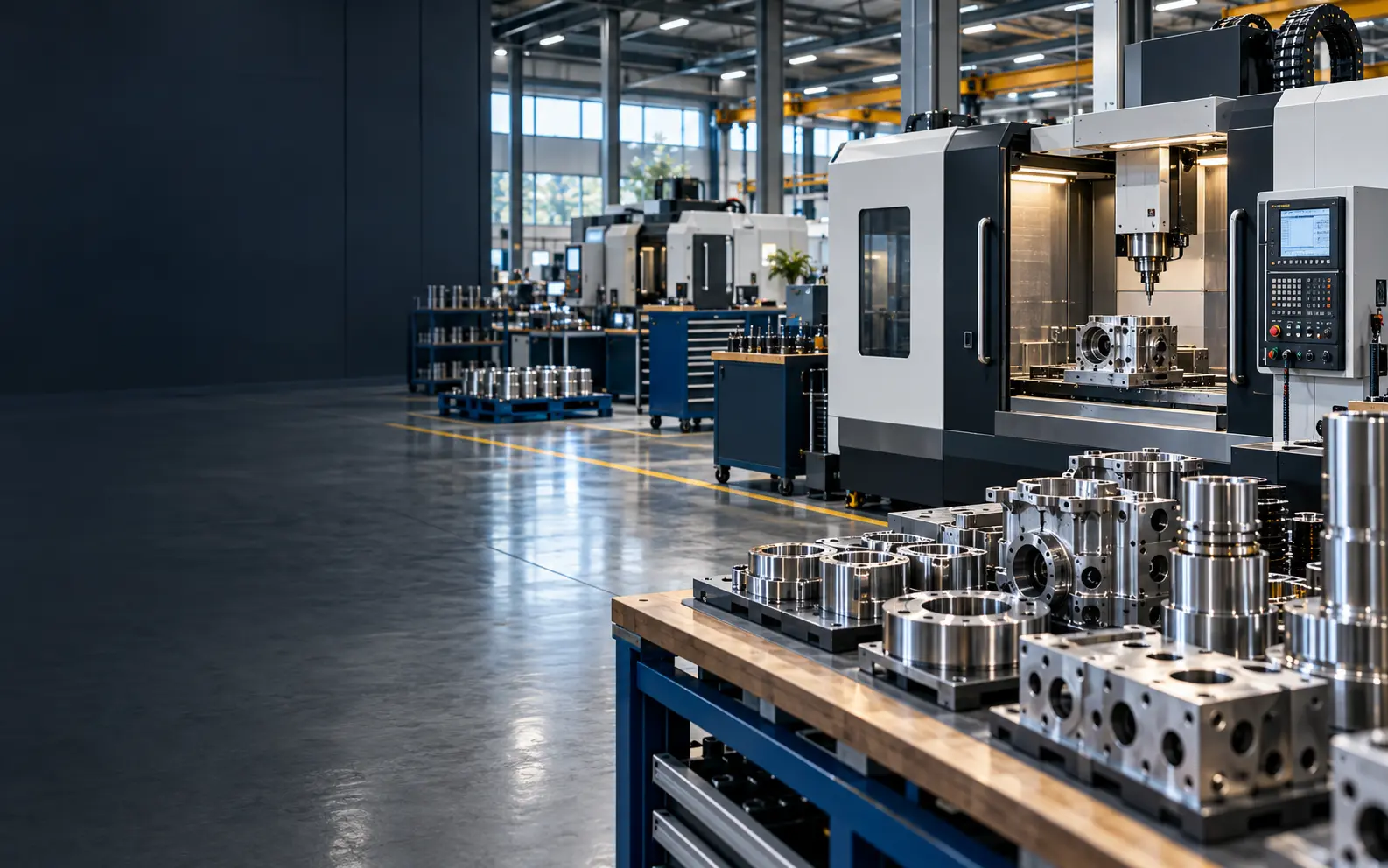
Changing Products & Processes
New materials, equipment, specifications and end uses may create exposures that were absent at the last renewal.
Contract Manufacturing & Job Shop Insurance
Specialized insurance, safety and claims strategies for contract manufacturers, job shops and diversified production operations.
Built Around a Changing Job Mix
Contract manufacturers and job shops adapt to customer demand. Products, materials, processes, end uses and delivery requirements can change quickly—even when the facility and equipment remain the same.
The insurance program must keep pace. A new customer, tighter specification, unfamiliar material or different downstream use can affect property, product liability, errors and omissions, contractual and workers’ compensation exposures.
Contract Manufacturing Risk Profile
New materials, equipment, specifications and end uses may create exposures that were absent at the last renewal.
Indemnification, warranty, insurance, confidentiality, delivery and performance requirements can expand responsibility.
Materials, tooling, molds, dies, components and work in process may carry substantial value and complex legal responsibility.
Specification, tolerance, material or workmanship errors can cause scrap, rework, delay, recall or downstream financial loss.
The loss of one customer, facility, production line or key supplier can have an outsized effect on revenue and operations.
Varied production work can create changing machine, ergonomic, material-handling and training requirements.
Insurance for Contract Manufacturers
Protect facilities, production equipment, inventory, tooling and critical mechanical and electrical systems.
Account for customer concentration, equipment lead times, outsourced production, continuing expenses and supplier dependencies.
Evaluate customer-owned materials, tooling, components and finished work at the facility, in transit and at outside processors.
Address third-party injury, property damage, products liability and completed-operations allegations tied to manufactured work.
Consider financial-loss allegations involving specifications, tolerances, materials, delays or failure to perform when no traditional injury or damage occurs.
Evaluate withdrawal, notification, inspection, disposal, replacement and crisis-response costs for relevant products and end uses.
Connect coverage with job-specific training, machine safety, ergonomics, reporting, return-to-work and active claim management.
Protect production systems, customer files and funds against ransomware, system interruption, social engineering and data compromise.
Contractual Risk Transfer
A purchase order or master services agreement may assign responsibility for design, materials, tooling, delays, intellectual property, defective work and downstream losses. Insurance requirements alone do not guarantee that every obligation is covered.
Request a Contract and Coverage ReviewOperational Priority
Sales, estimating, engineering and operations often see different parts of a new opportunity. A short intake process can identify changes in products, materials, processes, contracts and end uses before the work creates an uninsured surprise.
Customer and Supplier Concentration
A contract manufacturer may serve several customers while relying heavily on one program, supplier, facility or piece of equipment. A disruption can reduce revenue even when the manufacturer’s own property is undamaged.
Business continuity planning should examine contingent business interruption, alternative suppliers, transferable capacity, customer commitments and realistic recovery timelines.
Explore Property & Business InterruptionAlternative Risk for Contract Manufacturers
Contract manufacturers with disciplined job intake, safety practices, quality controls, active claims management and favorable loss performance may be positioned for a captive or another loss-sensitive structure.
Explore Alternative RiskCommon Questions
Coverage needs vary with the products, processes and contracts involved. Common coverages include commercial property, equipment breakdown, business income, general and product liability, manufacturers errors and omissions, product recall, workers’ compensation, inland marine, commercial auto, cyber liability and umbrella or excess liability.
Contracts can establish indemnification, insurance, additional-insured, warranty, confidentiality, delivery and performance obligations. These provisions should be reviewed with the manufacturer’s operations and policy terms before work begins.
Customer-owned materials, molds, dies, tooling and work in process should be inventoried, valued and reviewed against contracts and policy terms. Coverage may depend on location, transit, cause of damage and the manufacturer’s legal responsibility.
Keep the Program Aligned With the Work
Evaluate equipment, customer property, contracts, product performance, business interruption, employee safety and alternative-risk opportunities through one coordinated review.