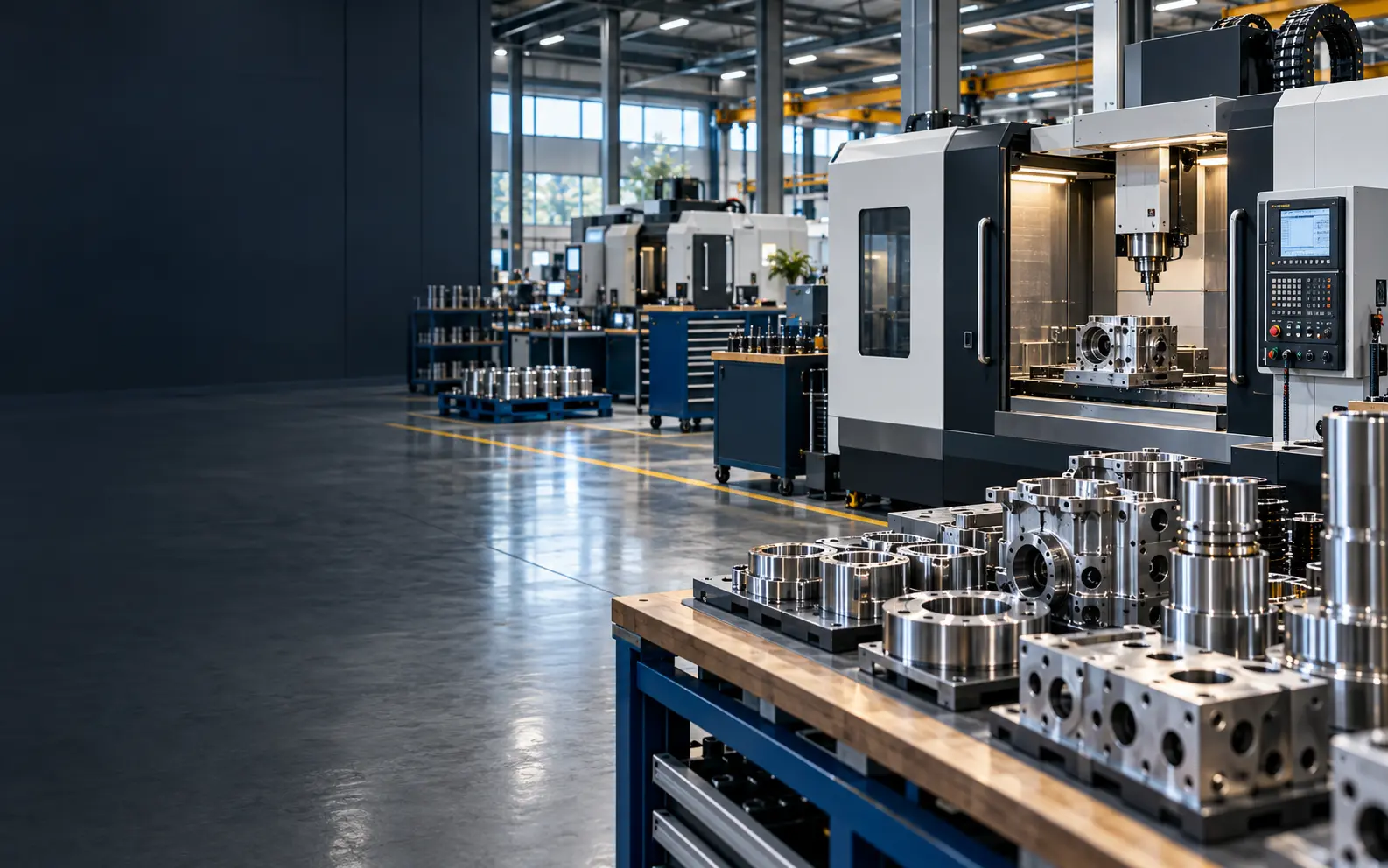
Critical Machinery
CNC machines, EDM equipment, presses, furnaces, cranes and cooling systems can be expensive to repair and difficult to replace quickly.
Tool, Die, Mold & Foundry Insurance
Specialized insurance, safety and claims strategies for tool and die shops, mold manufacturers, pattern shops and foundries.
Built Around Critical Assets
Tool, die and mold manufacturers rely on specialized equipment, experienced employees and exact specifications. Foundries add high-temperature processes, molten material and intensive property-protection demands.
A single equipment failure, damaged customer die or quality error can affect production schedules far beyond one facility. The insurance program must reflect both the physical operation and the downstream consequences of delay or defective work.
Specialized Manufacturing Risk
CNC machines, EDM equipment, presses, furnaces, cranes and cooling systems can be expensive to repair and difficult to replace quickly.
Molds, dies, patterns, fixtures, materials and work in process may carry substantial value and complicated contractual responsibility.
Molten metal, furnaces, hot work, combustible dust and process materials can create severe property and employee-injury exposures.
Errors in tolerances, materials, heat treatment or specifications may cause scrap, rework, production delays or downstream financial loss.
Machine interaction, lifting, repetitive motion, noise, heat, fumes and material handling require coordinated safety and claims oversight.
Oils, coolants, coatings, foundry sand, emissions, wastewater and waste disposal may create cleanup and regulatory obligations.
Insurance for Tooling and Foundry Operations
Protect buildings, machinery, furnaces, electrical systems, stock and other assets against covered physical damage and mechanical or electrical failure.
Account for equipment lead times, outsourced production, continuing expenses and the time required to resume precision operations.
Evaluate customer-owned molds, dies, patterns, fixtures and materials at the facility, in transit and temporarily located elsewhere.
Address third-party injury, property damage, products liability and completed-operations allegations connected to tooling or cast components.
Consider allegations of financial loss involving incorrect specifications, tolerances, materials, delays or failure to perform as intended.
Connect coverage with machine guarding, ergonomics, heat, industrial hygiene, return-to-work planning and active claim management.
Evaluate emissions, chemicals, oils, wastewater, waste streams and potential cleanup obligations that standard policies may limit or exclude.
Protect against ransomware, system interruption, funds-transfer fraud and attacks affecting production data or connected machinery.
Customer-Owned Tooling
A customer’s mold, die, pattern or fixture may be difficult—or impossible—to replace quickly. Ownership alone does not determine how a loss will be handled. Contracts, valuation methods, care-and-custody provisions, policy definitions and the cause of damage all matter.
Request a Customer Property ReviewBusiness Continuity Priority
A standard equipment list does not reveal operational dependency. Leadership should know which machines have no practical backup, how long replacement parts may take and whether production can be transferred or outsourced.
Precision and Performance
A tolerance error or incorrect material may not cause bodily injury or physical damage. It can still lead to rejected parts, rework, production delays, lost use or other financial-loss allegations.
Quality-control records, contracts and the division between product liability and manufacturers errors and omissions should be reviewed together.
Explore Product Recall & Manufacturers E&OAlternative Risk for Specialized Manufacturers
Tooling manufacturers and foundries with disciplined safety practices, active claims management, financial strength and favorable loss performance may be candidates for a captive or another loss-sensitive program.
Explore Alternative RiskCommon Questions
Coverage needs vary, but commonly include commercial property, equipment breakdown, business income, general and product liability, manufacturers errors and omissions, workers’ compensation, inland marine, commercial auto, pollution liability, cyber liability and umbrella or excess liability.
Customer-owned property should be identified, valued and reviewed against contracts and policy terms. Coverage may depend on where the property is located, whether it is in transit, the cause of loss and the manufacturer’s legal responsibility.
Foundries may face significant fire, explosion, molten-metal, equipment breakdown, business interruption, employee injury, pollution and product liability exposures. The exact risk profile depends on materials, processes, controls and end uses.
Protect the Assets Production Depends On
Evaluate critical equipment, customer property, business interruption, employee safety, product performance and alternative-risk opportunities through one coordinated review.