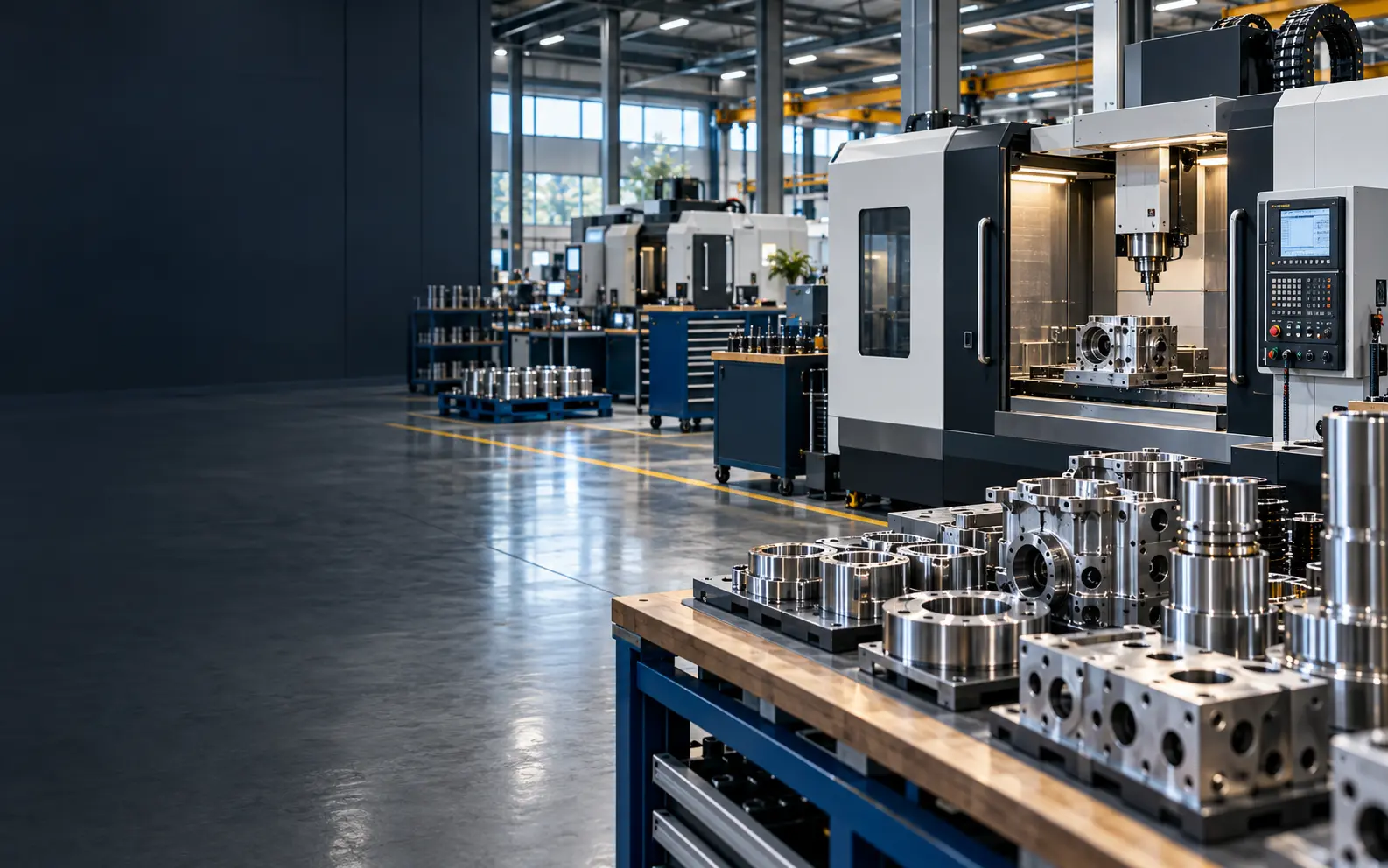

A manufacturer may have hundreds of thousands—or millions—of dollars in materials, tooling and equipment inside its facility that do not appear on its own balance sheet.
Steel, resin, components, molds, dies, prototypes and finished goods can all belong to someone else. When that property is damaged by a fire, equipment failure, sprinkler discharge, handling accident or employee error, the first question is usually simple: Who owns it?
The harder questions follow. Who agreed to bear the risk? Which policy might respond? What value applies? And what happens if the customer’s largest loss is delayed production rather than the physical property itself?
Customer Property Hides Throughout the Operation
Customer-owned property is not limited to inventory waiting on a shelf. Depending on the operation, it may include:
- Raw materials
- Components
- Work in process
- Finished products
- Molds and dies
- Specialized tooling
- Machinery or fixtures
- Prototypes and samples
That property may move between receiving, storage, production, quality control and shipping. Some of it may travel to another processor or warehouse. Values can change dramatically during the production cycle—and may peak well above the amount estimated when the insurance program was placed.
Start With the Contract, Not the Claim
The purchase order, manufacturing agreement or customer contract may determine when risk of loss transfers and what the manufacturer is expected to do if property is damaged.
Important provisions may address:
- Responsibility for customer-furnished materials and tooling
- Risk of loss during storage, processing and transportation
- Indemnification and defense obligations
- Limitations of liability and consequential-damage waivers
- Required insurance, limits and evidence of coverage
- Valuation, replacement and repair requirements
- Notice, inspection and recordkeeping obligations
A contract can create an obligation broader than the protection provided by an insurance policy. Contract review should therefore involve both insurance and qualified legal counsel before work begins—not after a damaged die is sitting in three pieces on the shop floor.
Why General Liability May Not Solve the Problem
Commercial general liability insurance can address certain allegations of bodily injury or property damage. It also commonly contains exclusions and limitations involving property in the insured’s care, custody or control, the particular property being worked on, and damage arising from the insured’s work or product.
The specific facts and policy language matter. A customer’s nearby machine damaged by an unrelated event may present a different coverage question than the component being actively machined when an error occurs.
That is why “the customer will make a liability claim” does not automatically mean the general liability policy will pay it.
“Ownership tells us whose property was damaged. It does not, by itself, tell us who assumed the risk or which coverage applies.”
What the Property Policy Actually Covers
A commercial property policy may provide some coverage for personal property of others at an insured location. The available amount, valuation method and covered causes of loss depend on the policy.
A useful review should confirm:
- Property-of-others limit
- Applicable sublimits
- Covered locations
- Valuation method
- Deductible
- Reporting requirements
- Property in transit
- Off-site processing
The limit should reflect the maximum value that could be present—not merely an average month. Manufacturers should also know whether the policy values customer property at replacement cost, actual cash value, the amount for which the insured is legally liable or another basis.
Property values must follow the operation
Review facilities, equipment, inventory, customer property and production dependencies together rather than treating each as a separate renewal field.
When Inland Marine or Bailee Coverage Enters the Conversation
Property belonging to customers may require an inland marine, bailee or other specialized coverage form, particularly when the manufacturer is storing, processing, repairing or transporting it.
These policies can be designed around property moving through the manufacturer’s custody and may address exposures that do not fit neatly within a standard property policy. Coverage can still vary significantly by location, type of property, cause of loss, valuation and the work being performed.
The label on the policy matters less than the actual coverage grant, exclusions, limits and conditions.
Physical Damage May Be Only the Beginning
A customer’s financial loss can exceed the cost of repairing or replacing the property. Damage may also delay a product launch, interrupt an assembly line, create expedited-shipping costs or force the customer to source replacement parts elsewhere.
Those losses may involve contractual liability, loss of use, delay damages or allegations that the manufacturer’s work failed to perform as promised. General liability and property insurance were not designed to address every form of economic loss.
Manufacturers errors and omissions coverage may be relevant when a mistake, defective work or failure to deliver creates financial harm without the type of physical injury or property damage required by other policies. The contract and the policy must be evaluated together.
One Damaged Tool Can Trigger Several Coverage Questions
Consider a customer-owned die damaged while being moved inside the plant. Before anyone can determine how the loss should be handled, the parties may need to establish:
- Who owned the die and who controlled the move
- Whether the manufacturer had accepted contractual responsibility for it
- Whether the die was being worked on or merely transported
- Which location and policy period apply
- Whether repair is feasible and how long replacement will take
- How the die should be valued
- Whether the customer is claiming production delay or other economic damages
- Whether another vendor, employee or piece of equipment contributed to the loss
That fact pattern may implicate more than one policy—and may also reveal an uninsured contractual obligation.
Build the Inventory Before the Loss
A customer-property review should identify what is on site, where it is kept and what the manufacturer has promised to protect.
- Create an inventory of customer-owned materials, tooling and equipment.
- Record ownership, location, purpose and maximum values.
- Track property moving off site or between processors.
- Review contracts for risk-of-loss and insurance provisions.
- Compare contractual obligations with policy terms and limits.
- Confirm storage, fire protection, security and handling controls.
- Establish procedures for documenting incoming and outgoing condition.
- Update values when customers, contracts or production volumes change.
“Customer property should be treated as an operating exposure—not a miscellaneous line on the property application.”
If Customer Property Is Damaged
Protect people and prevent further damage first. Then preserve the facts needed for the coverage and contractual review.
Document the property, location and circumstances; preserve damaged items when appropriate; identify witnesses; collect the governing contracts and purchase orders; and notify the insurance team promptly. Avoid making commitments about fault, replacement or payment before the obligations and potential coverage have been evaluated.
Track repair estimates, replacement lead times, expedited expenses and production consequences from the beginning. The physical damage may be obvious. The operational impact often takes longer to emerge.
Coverage depends on the specific policy language, endorsements, limits, exclusions, facts and contractual obligations involved in a loss. Contract interpretation should be handled with qualified legal counsel. This article does not guarantee coverage or constitute legal advice.