I’ve worked with manufacturers that were strong candidates for alternative risk and others that were better served by the traditional insurance market.
Premium size may start the conversation, but it rarely tells me enough to make that recommendation. I learn much more from how a company manages risk every day.
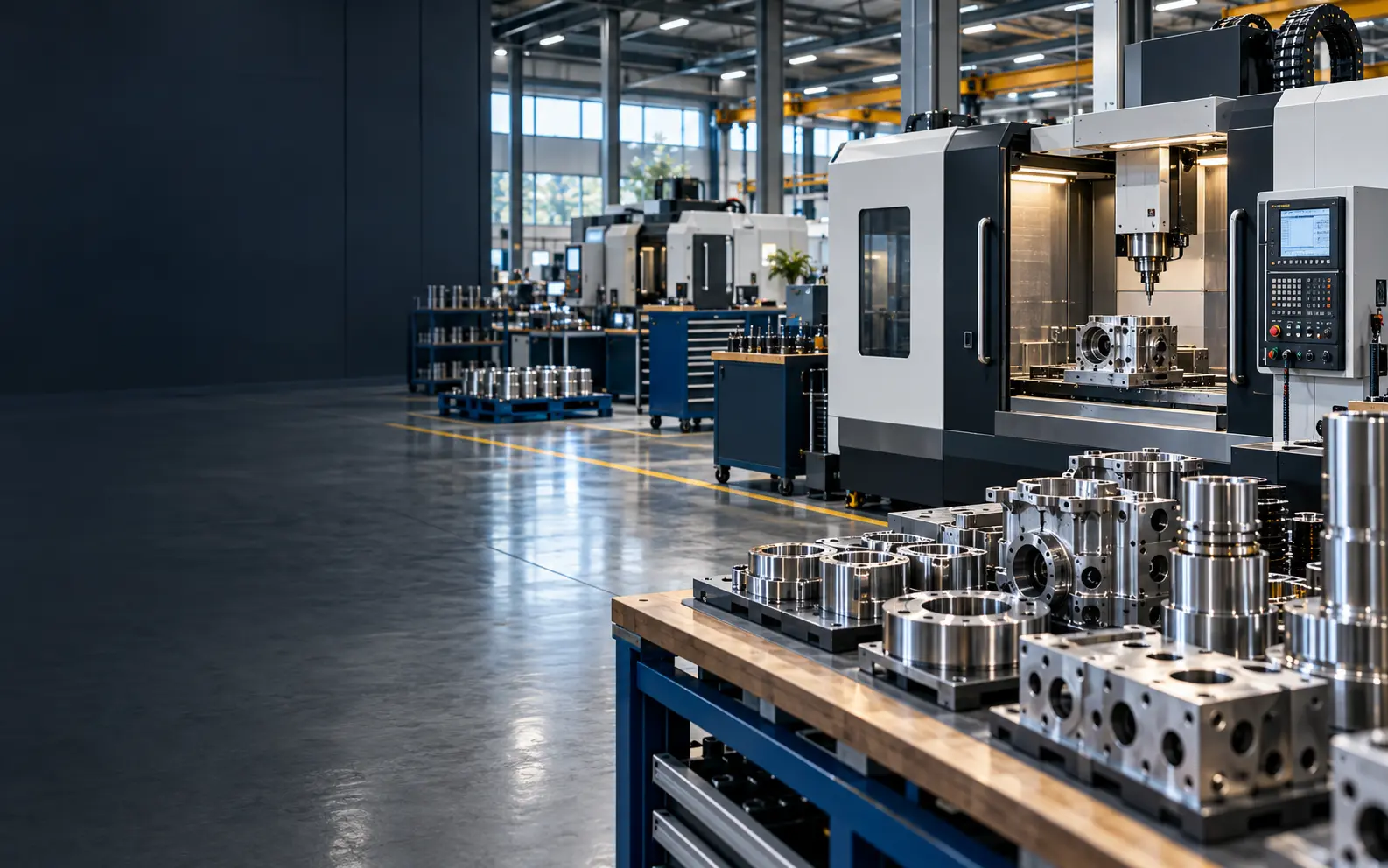
For manufacturers, that usually means looking beyond the insurance program and onto the plant floor. Safety practices, maintenance, claims management, training, equipment controls and management involvement all tell a story about how an organization approaches risk. That story matters when we start talking about captives and other alternative-risk strategies.
Strong Loss Performance Is Only the Beginning
Historical losses matter, but I’m looking for more than a good three-year run. I want to understand why the losses look the way they do.
Is the company actively preventing injuries and property losses? Are claims reviewed and managed? Are supervisors involved in safety? Does the organization learn from near misses? Are problems corrected before they become repeat claims?
A company with good results because it manages risk deliberately is very different from one that has simply been fortunate. That distinction matters when a manufacturer begins retaining more of its own risk.
Safety Has to Exist Beyond the Manual
Manufacturers tend to have formal safety procedures. I’m interested in what happens when production gets busy.
Are machine guards being used consistently? Are lockout/tagout procedures followed when a repair “will only take a minute”? Are new and temporary employees trained before they begin working around machinery? Does management reinforce safe practices when production goals are under pressure?
These are traditional loss-control questions, but they are also alternative-risk questions. The more risk a company retains, the more directly the financial consequences of those decisions come back to the organization.
“The more risk a company retains, the more directly the financial consequences of those decisions come back to the organization.”
Claims Management Becomes Financial Management
Once a workers’ compensation claim occurs, the way it is handled can affect costs long after the initial injury. Return-to-work programs, communication with the injured employee, reserve reviews and ongoing claim oversight can all influence the ultimate cost of a loss.
Manufacturers considering alternative risk should understand their claims rather than simply receive a loss run once a year. When a company retains a greater portion of its risk, claims management becomes part of the financial strategy.
Connect safety, claims and insurance performance
Champion’s safety and claims team helps manufacturers identify loss drivers, strengthen return-to-work practices and keep significant claims moving.
Operational Discipline Matters
The same habits that make a manufacturer more productive often make it a stronger risk:
- Preventive maintenance
- Good housekeeping
- Machine guarding
- Quality controls
- Employee training
- Equipment redundancy
- Business-continuity planning
Manufacturers are also investing heavily in automation, sensors and other smart-manufacturing technologies to improve productivity and resilience. These investments can reduce certain employee exposures and identify equipment problems earlier, while also creating new equipment-breakdown, cyber and business-interruption dependencies.
That is exactly why alternative-risk conversations need to begin with the operation itself. I want to know what can stop production, how quickly the company can recover and whether management already understands its critical dependencies.
The Right Mindset May Be the Most Important Qualification
Alternative risk generally requires a longer time horizon than a traditional annual insurance purchase. Companies that are primarily looking for a cheaper renewal may be disappointed.
The manufacturers that tend to stand out in this space are the ones asking different questions:
- How can we reduce the frequency and severity of our losses?
- Which risks should we transfer, and which are we financially capable of retaining?
- What can we do operationally to make our risk more predictable?
- If we consistently outperform expectations, is there a structure that allows us to participate more directly in that success?
Those are much better starting points for an alternative-risk conversation.
“Financial capacity, premium volume, risk tolerance and the ability to handle collateral requirements also factor into whether an alternative structure makes sense.”
Insurance Can Become Part of the Operating Strategy
A captive is not appropriate for every manufacturer, and I would never recommend one simply because the company is large enough to consider it.
But manufacturers that already operate with strong loss control, disciplined claims management and a long-term commitment to risk improvement may have more options than they realize.
For those organizations, the conversation begins to move beyond purchasing insurance every year. It becomes a discussion about how the company wants to manage, retain and finance risk over time.
Before I can answer that question, I usually want to see what is happening on the plant floor.
Captive and alternative-risk outcomes depend on losses, expenses, claim development, investment performance, collateral and program governance. Eligibility, obligations and potential returns vary by program and are not guaranteed.